

How Much Do I Need to Retire in Kansas? Why the Real Answer Is an Income Plan, Not Just a Number
By Dan Gould | Three Streams Financial — Independent, Fee-Only Fiduciary Advisor
Search “how much do I need to retire in Kansas” and you’ll find calculators spitting out a single number — $900,000, $1.2 million, “25 times your expenses.” Those numbers aren’t wrong, but they’re incomplete. The real question isn’t just how much you need to save. It’s how you’ll turn those savings into income that lasts 25–30 years, through good markets and bad ones. At Three Streams Financial in Overland Park, that’s the conversation we have with Kansas retirees every day — and it starts with the state’s own numbers, not a national average.
What Retirement Actually Costs in Kansas
Kansas is genuinely one of the more affordable states to retire in, with everyday goods and services running roughly 7–11% below the national average. One recent estimate from 2022 puts average lifetime retirement spending in Kansas around $950,000 — among the lowest of any state. That’s a helpful reference point, but it’s an average across very different lifestyles, so treat it as a starting benchmark, not your personal number.
Kansas tax rules are as important as your spending. In 2024, all Social Security, KPERS, and federal or military pension benefits are fully exempt from Kansas income tax, no matter your income. Withdrawals from 401(k), IRA, pension, or annuity accounts are taxed at Kansas income tax rates, and investment gains outside retirement accounts are also taxed as income. Consider these differences when planning which accounts to withdraw from first.
Don’t Anchor Your Number to Recent Market Returns
(THIS IS IMPORTANT, PEOPLE!)
Here’s where a lot of retirement math quietly goes wrong: people build their plan using the last five or ten years of stock market returns. It feels reasonable — that’s the data you have in front of you — but it’s one of the riskiest assumptions in retirement planning. Markets run in cycles, and the years right before and after you retire matter more than any other stretch, because withdrawing money from a shrinking portfolio during a downturn (known as sequence-of-returns risk) can permanently damage how long your savings last, even if long-term average returns eventually recover.
A plan built on “the market has done great lately, so I’ll assume that continues” isn’t a plan — it’s a hope. A sturdier approach assumes some years will be down, some flat, and some strong, and builds income sources that don’t depend on selling shares at the wrong time.
Build Income, Don’t Just Accumulate a Number: Dividend Growth Investing
This is where dividend growth investing earns its place in a Kansas retirement plan. Instead of asking “how much do I need to sell each year,” dividend growth investing asks “how much income can my portfolio produce each year — and how fast is that income growing?” Companies with long histories of raising their dividends (often called Dividend Aristocrats) tend to keep increasing payouts through recessions, market corrections, and rate cycles, because dividend growth is a management commitment, not a market price.
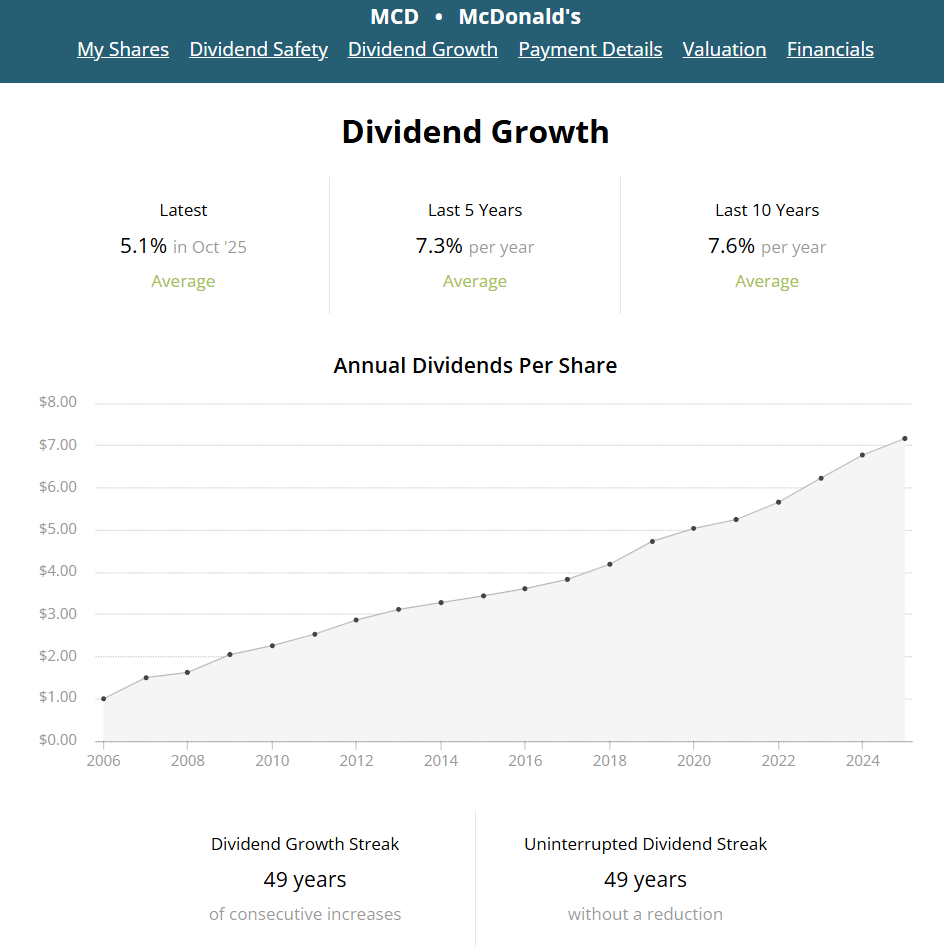
The advantage in retirement is real and specific: an income stream that grows faster than inflation reduces how much you need to touch principal, and it gives you a source of cash flow that doesn’t require guessing where the stock market will be on any given Tuesday. It’s not a guarantee — dividends can be cut in a severe downturn — but a diversified basket of quality dividend growers behaves very differently than a portfolio dependent purely on price appreciation.
One more thing: Investors pay 0% tax on qualified dividends up to the IRS threshold—this is a huge benefit. If you can grow qualified dividends over time, you can potentially enjoy significant tax-free income in retirement.
Smart Retirement Income Planning, Kansas-Specific
Good income planning layers several decisions on top of your investments:
- Social Security timing. Delaying benefits from 62 to 70 (if it makes sense) increases your monthly payment substantially — a guaranteed, inflation-adjusted increase no investment can match, and one that’s even more valuable in Kansas now that Social Security is state-tax-free.
- Withdrawal sequencing. Because Kansas taxes 401(k)/IRA withdrawals but not Social Security or KPERS, the order you draw from accounts affects your real, after-tax income — not just your gross number.
- Roth conversions. Converting traditional IRA assets to Roth in lower-income years can reduce future required minimum distributions and the tax bracket jumps that come with them.
- A bucket strategy. Keeping 1–2 years of expenses in cash or short-term bonds means you’re never forced to sell growth or dividend holdings during a downturn just to pay your bills.
Diversify Across Multiple Strategies — Not Just One Bet
Dividend growth investing is a strong core, but it shouldn’t be your only stream. A resilient retirement portfolio typically blends dividend growth equities for rising income, broader growth investments for long-term purchasing power, and bonds or cash reserves for stability and short-term spending needs. Depending on your situation, real estate or annuity income can add a third or fourth stream. The goal isn’t to chase the highest-returning single strategy — it’s to make sure that if one part of the portfolio has a rough year, another part is still doing its job.
Feel Like You’re Behind on Saving for Retirement?
You’re not alone, and panic is the wrong response. A few moves make a real difference at this stage: max out catch-up contributions if you’re 50+, consider delaying Social Security even a year or two to lock in a permanently higher check, look at part-time or consulting income as a bridge that reduces how much you need to withdraw early, and take a hard look at fixed expenses you can trim now rather than in retirement. Most importantly, get a specific, written plan — “behind” is only meaningful relative to a real target, and a plan often reveals you’re closer than the panic suggests.
Worried About a Market Crash Right Before You Retire?
This fear is normal, and it’s exactly what a bucket strategy and dividend income are built to address. If a year or two of spending sits in cash and short-term bonds, a market drop doesn’t force you to sell stocks at a low point. Dividend-paying holdings continue to generate income through most downturns, even when share prices are falling, reducing the pressure to sell. The retirees who weather a crash best aren’t the ones who guessed the timing right — they’re the ones who had an income plan that didn’t depend on guessing.
If you want help building a retirement number — and an income plan — that reflects your actual Kansas tax situation and spending goals, schedule a conversation with Three Streams Financial.
This article is for general educational purposes and does not constitute personalized financial, tax, or legal advice. Consult a qualified advisor about your specific situation.

Hello, I’m Dan Gould, an independent fee-only advisor based in Overland Park, KS. I offer comprehensive financial services to individuals, families, professionals, and small business owners nationwide. With over 25 years of experience in institutional financial markets, I deliver proven portfolio management and retirement income strategies.