

Dividend Growth Investing: Why Hormel Foods Corp Was Added to Client Portfolios

Chart Source: FastGraphs.com
By Dan Gould | Three Streams Financial
Independent, Fee-Only Fiduciary Advisor
Why a Dividend Growth Income Strategy Matters More Than Ever
At Three Streams Financial, the strategy centers on building portfolios with rising income, inflation protection, and long-term wealth compounding. This approach becomes especially important in uncertain markets. Therefore, one standout company that fits this dividend income strategy is Hormel Foods Corp (NYSE: HRL).
How Hormel Foods Corp Strengthens a Dividend Growth Income Strategy
Hormel Foods Corp was recently added to client portfolios as a high-quality income generator with a 3.94% forward dividend yield—an attractive yield for a Dividend King with an exceptional 53-year dividend growth streak. With consumer staples commanding high multiples amid economic uncertainty, finding quality income at a reasonable valuation is difficult.
HRL has achieved Dividend King status with 53 consecutive years of dividend increases, demonstrating remarkable consistency through multiple economic cycles and market downturns. The company’s 5-year average dividend growth rate of 4.47% and quarterly dividend of $0.29 per share ($1.16 annually) reflects management’s commitment to returning cash to shareholders while investing in growth. As a result, investors benefit from reliable income growth backed by a diversified global food company with iconic household brands.

Chart Source: SimplySafeDividends.com
Why Durable Companies Are Essential to a Dividend Growth Income Strategy
In addition to its strong yield, Hormel Foods’ globally recognized brand portfolio, including SPAM, SKIPPY, Planters, Jennie-O, and Applegate, offers stability in volatile markets. The company holds #1 or #2 market positions in over 40 categories, creating multiple defensive revenue streams from essential consumer staples that people need regardless of economic conditions. The strategic $3.35 billion acquisition of Planters from Kraft Heinz in 2021 expanded Hormel’s snacking portfolio and strengthened its competitive position in the growing nuts category. While some investors chase the next market trend, a disciplined dividend income strategy focuses on consistency, quality, and long-term reliability.
That’s why companies like Hormel Foods are ideal long-term holdings. For investors focused on income stability and lower volatility, HRL represents the kind of core holding that aligns with our goal of building wealth with confidence over time.
How a Dividend Income Strategy Fits Retirement Portfolios
This strategic allocation supports long-term goals: income that grows, capital that compounds, and portfolios built to last. Envision a diversified portfolio of 35-40 dividend growth stocks with characteristics similar to HRL, steadily growing your income at an optimistic 6-8% each year. You’ll be able to mitigate the effects of inflation and ensure that you never run out of money in retirement.
A $500,000 portfolio of dividend growth stocks with a 3.5% yield, which grows its dividends at a rate of 7% each year and reinvests those dividends, would generate $48,305 in annual income from dividends alone after 10 years. After 20 years, this amount increases to over $137,000 in yearly dividend income, all while maintaining the principal intact! (assumes 6% annual growth in the stock)

Chart Source: marketbeat.com
Ready to Learn More About Inflation-Beating Dividend Strategies?
Three Streams Financial is an independent, fee-only investment advisor that helps working families and professionals retire with confidence. If you’re looking for tailored insights and a clear dividend income strategy:
P.S. Want to see exactly where you stand? I’ve created a free Personalized Retirement Map that addresses all four critical areas: Income, Investments, Planning, and Legacy. No pitch, just clarity.

Fee-Only Advice. Proven Process. Transparent Planning.
Remember, there’s no one-size-fits-all approach to investing. Conduct thorough research, consider your personal circumstances, and consult a fee-only financial advisor before making any investment decisions.
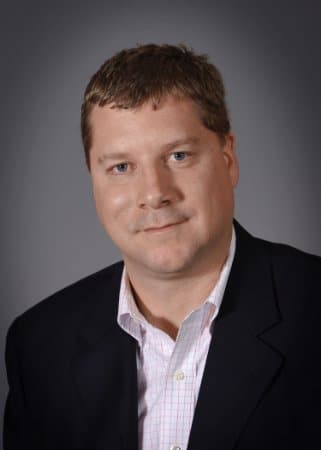
Hello, I’m Dan Gould, an independent fee-only advisor based in Overland Park, KS. I offer comprehensive financial services to individuals, families, professionals, and small business owners nationwide. With over 25 years of experience in institutional financial markets, I deliver proven portfolio management and retirement income strategies.